




















A Guide to Football Ultras: Origins, History and Why They Use Pyrotechnics
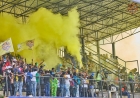
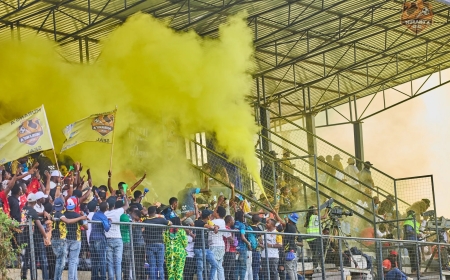
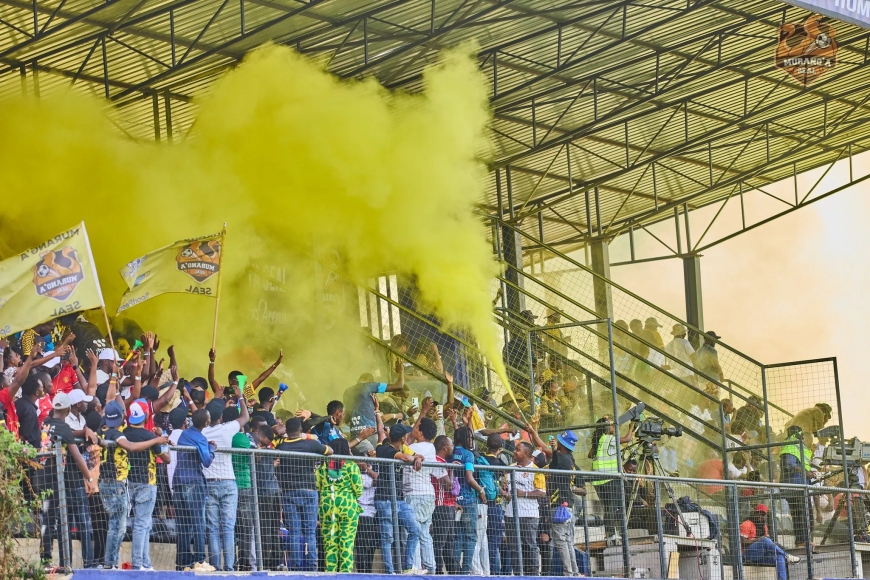
You’ve probably seen coloured smoke in the stands of Kenyan stadiums during SportPesa League matches, especially when a goal is scored. It begins with a sudden, violent hiss, followed by a thick, neon-green or blood-blue cloud that slowly swallows the "K'Ogalo" or the "Ingwe" faithful.
In 1859, a widow named Martha Coston was rummaging through the notebooks of her late husband, a former naval scientist, when she discovered sketches for a pyrotechnic signaling system. Martha spent the next decade perfecting these Coston Flares, envisioning them as a literal lifesaver for sailors lost in the pitch-black abyss of the Atlantic. It was a noble breakthrough in maritime safety, designed to pull men back from the brink of watery graves. She likely never imagined that, over a century later, her life-saving invention would be used in October of 1950, and that the fans of Hajduk Split in the former Yugoslavia would decide this life-saving naval technology was exactly what was missing from a high-stakes football match against Red Star Belgrade. By forming the "Torcida"—the first organized Ultra group in Europe—these fans became the pioneers of transitioning maritime distress signals into tools for sporting intimidation. They essentially told Martha that her flares were for making a goalkeeper’s life a living, sulfurous hell on land.
You’ve probably seen coloured smoke in the stands of Kenyan stadiums during SportPesa League matches, especially when a goal is scored. It begins with a sudden, violent hiss, followed by a thick, neon-green or blood-blue cloud that slowly swallows the "K'Ogalo" or the "Ingwe" faithful. For the uninitiated, it looks like a chemical spill or a gender reveal party that has gone horribly wrong. For the Ultras, however, it is the liturgical incense of their footballing religion, a visual signal that the stands have officially transitioned from a seating area into a tribal war room where logic and oxygen are secondary concerns.
🟢⚪
Like Always, We'll Be Bringing Our VibesTo Gusii Stadium.
Juogi Will Guide Us 🤲
#UltrasGreen #Gor#FootballKE pic.twitter.com/9MoprNLOh6 — Ultras Green (@GreenUltras19) January 9, 2026
This subculture didn't just appear out of the ether; it was refined in the post-war fervor of Italy and Brazil during the late 1960s. Groups like the Fossa dei Leoni in Milan decided that merely clapping and wearing a scarf was a bit too "polite tea party" for their liking. They wanted something operatic, blending the passion of a political rally with the discipline of a paramilitary unit. The name Ultra implies something "beyond"—beyond a normal fan, beyond restraint, and frequently beyond the local fire department’s comfort zone. They aren't there to simply observe the game; they are there to manifest a victory through sheer, smoky willpower and enough noise to rattle the teeth of the opposition.
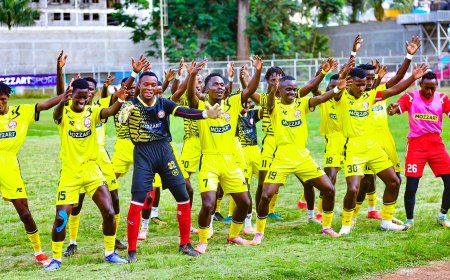
💛🖤 SEAL NATION, WE DID IT! 🖤💛
This one was for you — for the noise, the belief, the unwavering support! 💪🏾💛🖤#TûrîAMûmbi | #SealNation | #MSealAt10 pic.twitter.com/5viAUZXK9y — Murang'a Seal (@murangaseal) March 2, 2026
The use of smoke bombs and flares is rarely about "just looking cool," though that is a significant side effect. In the eyes of an Ultra, it is about territory and the creation of a "cauldron." The goal is to make the stadium feel claustrophobic for the visiting team; if a goalkeeper can’t see his own defenders because of a wall of blue smoke, he starts to feel less like a professional athlete and more like a character in a low-budget horror film. It’s a visual declaration of dominance that ensures everyone—from the commentators in the booth to the fans watching on a phone screen three miles away—knows exactly which tribe is currently in control of the atmosphere.
The ultimate irony of the Ultra experience is that they are often the only people in the stadium who don't actually see the game they are so obsessed with. While the rest of us are watching a striker weave through the defense, the Ultra is usually facing the crowd, screaming through a megaphone with his back to the pitch, draped in a flag, and inhaling enough sulfur to make his lungs look like a Jackson Pollock painting. They aren't there to watch the match; they are there to be the match. It is a world of extreme loyalty, questionable fashion choices involving balaclavas in 30°C heat, and an unwavering belief that there is no problem in life that cannot be solved by a very loud drum and a small, controlled fire.
What's Your Reaction?
 Like
0
Like
0
 Dislike
0
Dislike
0
 Love
0
Love
0
 Funny
0
Funny
0
 Angry
0
Angry
0
 Sad
0
Sad
0
 Wow
0
Wow
0