






































Drama, Pressure, Progress: Lessons from the AFCON Final

Drama, Pressure, Progress: Lessons from the AFCON Final
By Wanjiru Esther
The Africa Cup of Nations final delivered far more than a champion. In its dramatic closing moments
marked by controversy, heightened emotions, and intense pressure the match offered a revealing snapshot of where African football stands today and where it is heading.
From the opening whistle to the tense ending, the final showcased the fine margins that now define top-level football on the continent. The decisive moments were not only about goals or tactics, but about judgment calls, mental strength, and the growing weight carried by players and officials alike on Africa’s biggest stage.
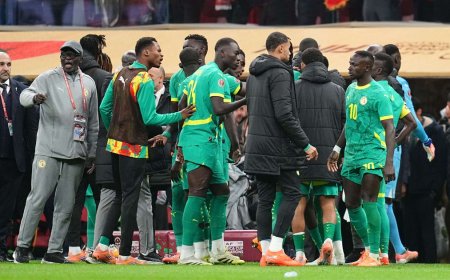
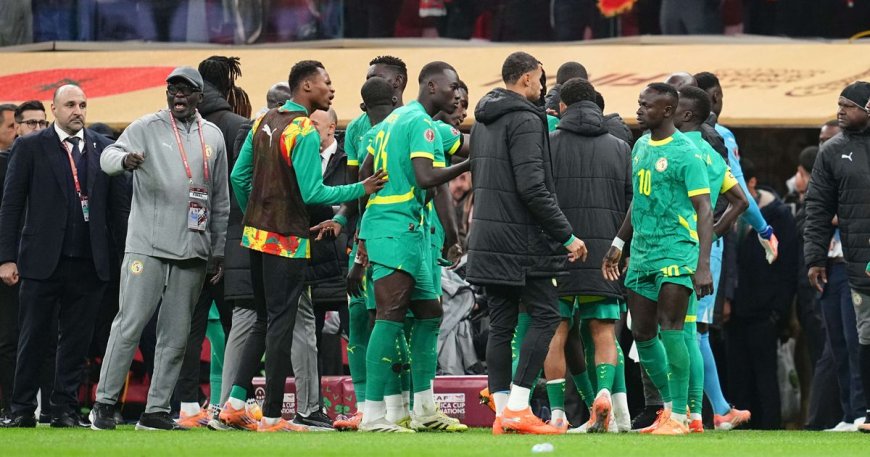
One of the most talked about moments came late in the game, when a refereeing decision sparked heated reactions on the pitch. The incident, reviewed under VAR, underlined how officiating has become central to modern football narratives. While technology is meant to bring fairness, its use in such high-stakes moments also brings scrutiny, debate, and sometimes unrest. The strong reactions from players reflected a shift in African football one where decisions are no longer accepted quietly, but questioned in real time under global attention.
The pressure on players was equally evident. With millions watching across the continent and beyond, individual moments carried enormous consequence. Attempts to rise to the occasion, whether through bold decisions or risky execution, highlighted both confidence and vulnerability. African footballers today are not short on talent or belief; what they increasingly face is the psychological demand of performing when history, expectation, and national pride converge.
Beyond the controversy, the final also spoke to progress. The tactical discipline, fitness levels, and overall organisation on display showed how far African football has evolved. Matches are no longer defined solely by flair and emotion; they are now shaped by structure, preparation, and fine tactical details. This evolution places African teams closer to global standards, but it also means mistakes are punished more harshly and moments of indiscipline are magnified.
Perhaps the most enduring lesson from the final was the emotion that surrounded it. The passion, protests, celebrations, and heartbreak reminded viewers why AFCON remains unique. While the tournament continues to modernise, it has not lost its soul. The raw connection between players, fans, and national identity remains its defining strength.
As African football grows in visibility and expectation, moments like this final will become more common. Drama will persist, pressure will intensify, and progress will continue unevenly. The challenge for the game’s stakeholders is to ensure that growth is matched with improved officiating standards, better player support systems, and stronger institutional trust.
In the end, the AFCON final was not just about who lifted the trophy. It was a reflection of a continent’s game in transition ambitious, emotional, improving, and increasingly unafraid to demand more from itself.
What's Your Reaction?
 Like
0
Like
0
 Dislike
0
Dislike
0
 Love
0
Love
0
 Funny
0
Funny
0
 Angry
0
Angry
0
 Sad
0
Sad
0
 Wow
0
Wow
0